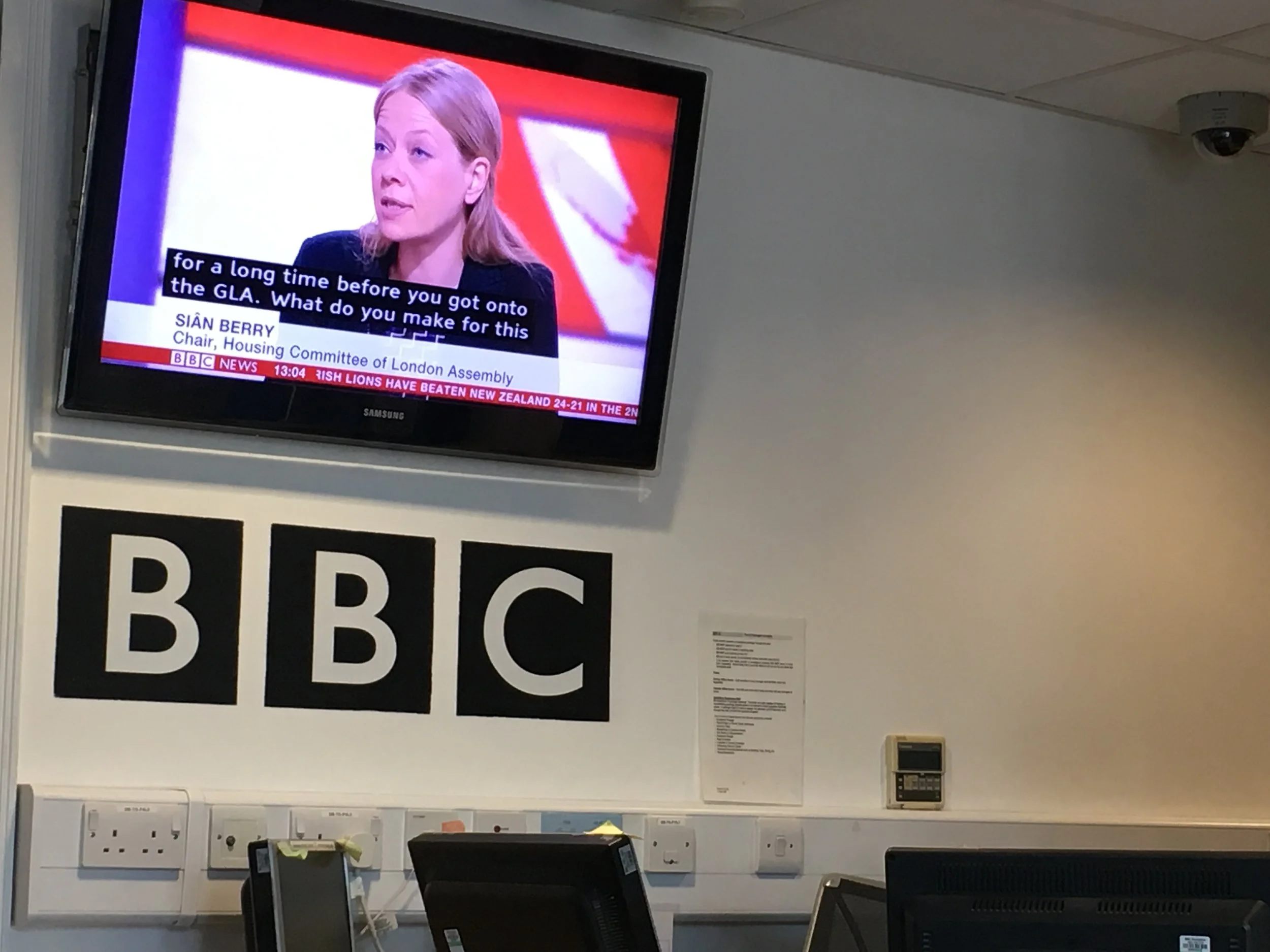
Local news
I was on BBC Radio Devon this morning to answer the question ‘Do smokers feel demonised?’.
I was also asked about vaping, to which I gave my usual reply – vaping has been a huge public health success story and government should butt out rather than mimicking the tobacco playbook by imposing tobacco-inspired policies like plain packaging and display bans.
As usual I said this through slightly gritted teeth because, although I support reduced risk products like e-cigarettes, the self-righteous attitude of many vaping advocates, who never think twice about throwing combustible tobacco and confirmed smokers under the bus, does leave a bad taste in my mouth.
Anyway, you’ve heard my responses to these issues many times so I won’t repeat them here. Instead, this post is about BBC local radio which I have appeared on hundreds of times over the years, with 18-20 back-to-back interviews on major smoking-related stories not uncommon.
My first interview for Forest was a phone interview with BBC Radio Leicester in January 1999. I had two days to think about it which made me a little nervous because I was new to the job and still learning about the various issues. It went OK, I think, and within weeks I had clocked up another 20 or so interviews, many of them on No Smoking Day which was still a big deal in those days.
Today the overwhelming majority of BBC local radio interviews tend to be conducted on a mobile phone via WhatsApp Audio, FaceTime Audio, Teams or Zoom because it costs the local station money to book an external studio, even if it’s a BBC studio. But it wasn’t always like that, especially when phone connections, landline and mobile, could be poor quality. In the Noughties it was common therefore to be asked to go to the studio that was closest to the Forest office in London or my home in Cambridgeshire.
In London that meant Wogan House near Broadcasting House, close to Oxford Circus, or 4 Millbank which is a stone’s throw from the Houses of Parliament. Later, after we moved to a small serviced office in Cambridge, the nearest BBC studio was just a few miles away, while in more recent years I’ve sometimes done multiple local radio interviews at Media City in Salford, but only if I’m already there appearing on Five Live or BBC Breakfast.
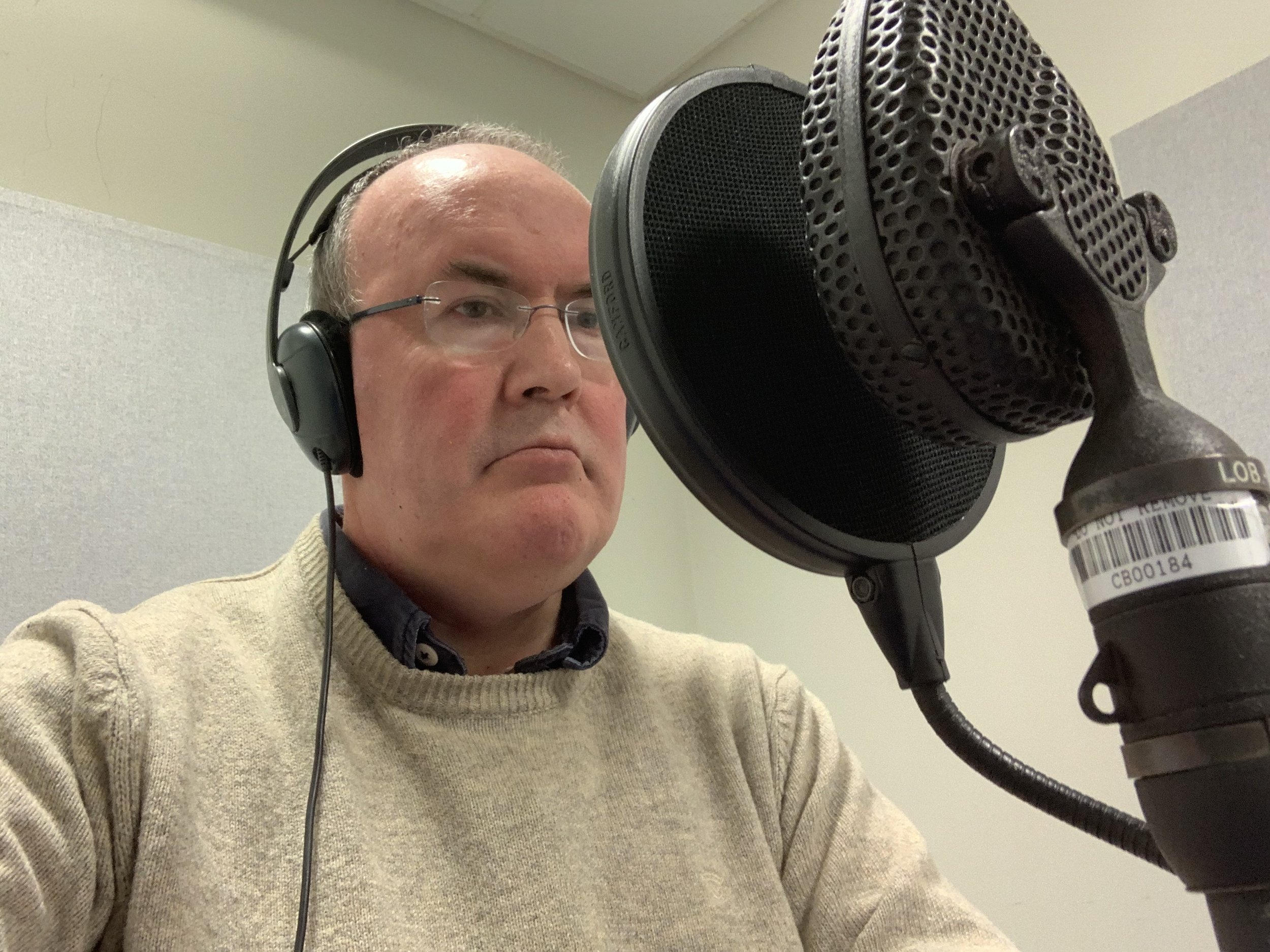
For many years I was a frequent visitor to the BBC studios in Cambridge, and I got to know the receptionist quite well because the tiny TV and radio studios they used for guests like me were directly off the small reception area where I would sit until a studio manager would come down to set things up so the ‘remote’ interview could go ahead.
Occasionally I would be asked to do an interview for BBC Radio Cambridgeshire, at which point I was allowed in the main part of the building where I was interviewed in a larger studio by one of the presenters. I’m not sure what I like best. Doing interviews face-to-face or down the line. The advantage of doing audio only interviews down the line (or on the phone) is that you can have some written notes in front of you, which is a nice comfort blanket to have, even if you never use them.
The number of local radio interviews I’ve conducted in studios outside London or Cambridge can be counted on the fingers of one hand (BBC Bristol and BBC Wales in Cardiff come to mind), but the full list of BBC local radio stations I’ve appeared on is much longer. There are currently 39 in England and the Channel Islands and I think I’ve been on all of them, some just once but many multiple times.
If I had to make a list of the local radio stations I’ve appeared on more times than any, BBC Three Counties would be top, perhaps, thanks to multiple interviews on the mid morning JVS (Jonathan Vernon-Smith) Show, albeit some time ago now. BBC Oxford would have been high up the list too but my frequent appearances were largely dependent on presenter Bill Heine who stood down in 2016 (and sadly died of leukaemia in 2019). I don’t think it was coincidence that Heine and JVS were both fiercely anti-smoking but they enjoyed a vigorous debate and I think they quite liked me.
As for those back-to-back interviews, the way it works is this. If there is a big story of national interest you might get a call from the BBC’s General News Service (GNS) which has the job of compiling a schedule of interviews with people like me for the breakfast and drive programmes.
You then are then invited to sit, on your own, in a small self-operating BBC studio, headphones on, while one station after another is fed through to you, usually at ten minute intervals for up to two hours, which means interviews mustn’t over-run otherwise you will miss the next one on the schedule, but that rarely happens.
The interviews can be live or recorded in advance, but the majority, in my experience, are live. The only issue, apart from the fact that it’s quite tiring to do so many interviews consecutively, is that you can become a bit complacent (or war weary) because the questions are usually very similar so your answers can become a bit routine until a question you’re not expecting momentarily throws you off. On the other hand, it allows you to hone your responses so they get better and more concise before fatigue sets in and they tail off a bit. Or perhaps that’s just me.
Since Covid, however, the whole broadcasting environment has changed and apart from Media City in Salford I can’t remember the last time I was in a studio. Local radio, in particular, expects you to do audio interviews on a mobile phone app. Even ‘national’ talk channels like LBC, Talk, GB News rarely ask you to be in the studio. Ditto Jeremy Vine (Radio 2) or Five Live, although I’m happy to travel to a studio if necessary.
As a result, I rarely if ever go to a studio these days, and I’m pretty sure I’m not alone. Yes, it makes life easier for the interviewee who doesn’t have to leave their own home or office, but I do think something has been lost. Broadcasting may be more ‘democratic’ but sound and picture quality are both less than they should be, and if you don’t believe me look at many of the interviews on Talk, GB News, or even the BBC and ITV News.
Anyway, I’ll stop there because this was meant to be exclusively about BBC local radio and I’ve gone off piste.